Dental Insurance Expiring Burke VA: 6 Things to Book Before December 31
If your dental insurance is expiring, Burke VA patients have roughly six weeks left to use benefits that reset on January 1 and do not carry forward. Most plans run on a calendar year with an annual maximum between $1,000 and $2,000, and whatever portion you have not used by December 31 is simply gone. The most valuable things to book now are an overdue cleaning and exam, any treatment your dentist has already recommended, and anything you were planning to start in January anyway.
Every December we have the same conversation with patients who call in the last week of the month wanting to use benefits they have been sitting on all year. By then, appointment availability is thin and some treatments cannot realistically be completed before the deadline. The patients who get full value from their coverage are the ones who call in November.
AtKings Park Dental Center, Dr. Nguyen and our team work through this with Burke patients and families across the surrounding area every year. This guide explains exactly what resets, what it is worth, and what to prioritize with the time remaining.
What actually expires on December 31?
Three separate things reset, and they work differently from one another. Confusing them is the most common reason people lose money.
Your annual maximum. This is the total your plan will pay toward your care in a benefit year. Most plans sit somewhere between $1,000 and $2,000. If you have used $400 of a $1,500 maximum, the remaining $1,100 disappears at the end of the benefit year. It does not roll forward, and there is no credit for the unused portion.
Your deductible. This is what you pay out of pocket before your plan starts contributing, typically $50 to $150 per person. Here is the part that matters: if you have already met your deductible this year, any further treatment you complete before December 31 avoids paying it again. Wait until January and you start from zero.
Your FSA balance. A Flexible Spending Account is separate from dental insurance entirely, and it has its own December 31 deadline. Depending on how your employer set the plan up, you may have a grace period into March or a limited carryover, but many plans forfeit the balance outright.
One important clarification: HSA funds do not expire. Health Savings Accounts roll over indefinitely and belong to you. If your dental spending runs through an HSA rather than an FSA, the end of the year carries no deadline pressure.
How much is actually at stake?
More than most people assume, because the annual maximum is only part of the picture.
Preventive care — cleanings, exams, and routine X-rays — is covered at or near 100% under most plans and typically does not count against your annual maximum at all. Skipping a cleaning you are entitled to is pure loss with no offsetting benefit.
Where the real money sits is in treatment that has been recommended and postponed. A crown, a few fillings, or periodontal treatment can easily consume $800 to $1,500 of plan benefit. Completing that work in December means your plan pays its share from this year’s maximum. Starting the same treatment on January 3 means it comes out of next year’s maximum instead — and if you need anything else during 2027, you may hit the ceiling by autumn.
A practical example of how the timing works:
Say you need two fillings and a crown, and you have $1,200 of benefit remaining. Completing all of it before December 31 draws on this year’s maximum, and your deductible is already met. Split the same treatment across the New Year and you pay a fresh deductible, and the crown consumes a meaningful share of your 2027 maximum before the year has properly begun.
The treatment costs the same. The timing determines how much of it your plan absorbs.
The 6 things worth booking before the dental insurance deadline on December 31
Here is where to focus, in order of what tends to deliver the most value.
1. Your overdue cleaning and exam. Most plans cover two cleanings per benefit year. If you have only had one — or none — that is covered care you are simply leaving behind. A Routine Check-Up also catches developing problems while treatment is still straightforward, which protects next year’s maximum too.
2. Treatment your dentist already recommended. If there is a filling, crown, or periodontal treatment sitting on a treatment plan from earlier this year, this is the single highest-value item on the list. Dental problems do not stabilize while you wait. A small cavity that needs a Composite Filling now may need a crown by next summer, at considerably higher cost.
3. A crown you have been putting off. Crowns are among the most expensive routine treatments and consume a large share of any annual maximum. If you have a cracked tooth or a failing restoration that has been flagged, completing it before the reset makes a meaningful financial difference.
4. Periodontal treatment. Gum Disease is progressive. Treating it at an early stage is far less involved than managing advanced disease later, and most plans cover a portion of periodontal therapy. This is also treatment that often requires multiple visits, which is why starting it in November rather than late December matters.
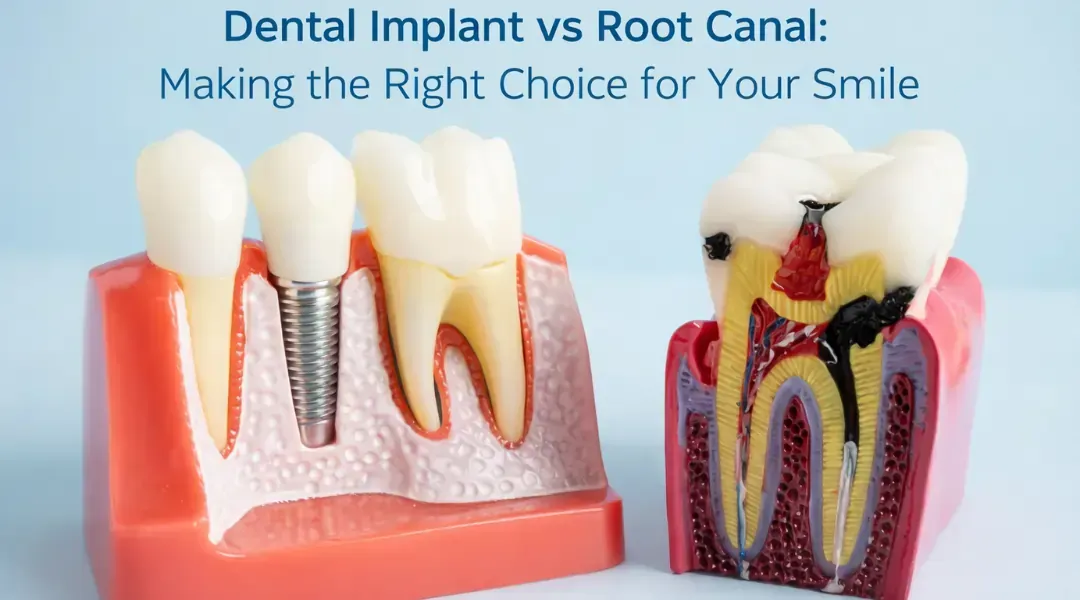
5. The start of implant or restorative work. Larger treatment plans are frequently phased across two benefit years deliberately — beginning the work in December and completing it in the new year uses two annual maximums instead of one. If you have been considering Dental Implants, the consultation and initial phase are worth scheduling now specifically for this reason.
6. Anything you were planning for January anyway. If a procedure is already on your mental list for the new year, moving it a few weeks earlier costs nothing and preserves next year’s full maximum for whatever comes up unexpectedly.
“Patients are often surprised that the sequence matters as much as the treatment,” says Dr. Nguyen. “When someone needs several things done, we look at what their remaining benefit covers this year and what makes sense to carry into January. Planned properly, the same treatment plan can cost noticeably less out of pocket.”
What about FSA dental expenses before the deadline?
If you have a Flexible Spending Account with a balance, this is a second, separate deadline — and FSA funds are far more commonly forfeited than dental benefits, because people forget they have them.
Most dental care qualifies as an eligible FSA expense. That generally includes cleanings and exams, fillings, crowns, extractions, root canals, periodontal treatment, dentures, and orthodontic treatment. Purely cosmetic procedures, including teeth whitening, typically do not qualify.
The IRS maintains the authoritative guidance on what counts as a deductible medical and dental expense, which is the same standard most FSA administrators apply.See IRS Publication 502 for the full list.
Two things worth checking with your employer’s plan administrator before the end of the year:
- Whether your plan has a grace period or carryover. Some plans allow spending into mid-March, others permit a limited amount to carry forward, and some forfeit the balance entirely on December 31. These rules vary by employer, not by provider.
- Whether you need to submit receipts by a particular date. The spending deadline and the claim submission deadline are often different, and missing the second one costs you the money just as surely as missing the first.
FSA funds can be combined with dental insurance on the same treatment, which is worth knowing. Your plan pays its share, and the FSA can cover your remaining out-of-pocket portion.
Why waiting until the last two weeks of December rarely works
There is a practical constraint that catches people out every year, and it has nothing to do with insurance rules.
Appointment capacity in the final two weeks of December is extremely limited. Everyone who has been deferring treatment reaches the same conclusion in the same fortnight, and the office is closed for part of it. By around December 15, the remaining slots are typically for short appointments only.
Beyond availability, some treatments genuinely cannot be compressed. A crown traditionally involves a preparation appointment and a separate fitting appointment, with laboratory turnaround between them. Periodontal therapy is often staged across more than one visit. Implant work unfolds over months by design. Booking on December 20 does not leave room for any of that.
There is also a practical point about the holidays themselves. Recovering from a procedure is more comfortable in a normal week than in the middle of travel, hosting, or family commitments. Scheduling in late November or the first half of December gives you both the benefit and a sensible recovery window.
How to find out what you actually have left
Most people genuinely do not know their remaining balance, and it takes about five minutes to establish.
Call the member services number on your insurance card. Ask three specific questions:
- What is my remaining annual maximum for this benefit year?
- Have I met my deductible?
- Does my benefit year run on the calendar year, or does it reset on a different date?
That third question matters more than people expect. While most plans follow the calendar year, some run on a fiscal or enrollment year instead — which means your personal deadline may not be December 31 at all. It is worth confirming rather than assuming.
Or ask the dental office. We can verify your benefits for you, which is usually faster than navigating an insurance phone system. Call us at 703-323-3910 and we can check what you have remaining and what your recommended treatment would cost against it.
If you do not have dental insurance at all, the end of the year carries no deadline for you — but it can still be a sensible time to get established with a practice before the January rush begins.
What to do this week
The entire decision comes down to a short sequence:
- Check your remaining balance — one phone call, five minutes
- Confirm your benefit year end date, since not every plan resets December 31
- Look at any treatment plan you were given earlier this year and were deferring
- Check your FSA balance and your employer’s specific grace period rules
- Book now rather than in December, when both availability and lab turnaround times compress
- Ask about phasing if your treatment plan is substantial, so it can span two benefit years
At Kings Park Dental Center, our team handles benefit verification as a matter of routine, and we are happy to look at how your remaining coverage maps against what you need. If you have been carrying an unaddressed treatment plan, or simply have not had your second cleaning this year, the next few weeks are the window.
Unused benefits do not carry forward. Six weeks is enough time to use them — but only if you start now.
Contact Us Today:
703-323-3910
Visit Our Website:
www.burkefamilydentistry.com
Smart Timing. Better Care. Healthier Smiles.
— The Kings Park Dental Center Team
FAQs
Q1. Do unused dental benefits roll over to next year?
A: In nearly all cases, no. Dental plans typically operate on a benefit year with an annual maximum, and any unused portion is forfeited when the year ends rather than carried forward. This is why scheduling recommended treatment before your plan resets makes a meaningful financial difference.
Q2. What is a dental insurance annual maximum?
A: The annual maximum is the total amount your plan will pay toward your dental care within one benefit year, commonly between $1,000 and $2,000. Once you reach it, you cover further treatment yourself until the plan resets. Preventive care is often excluded from this cap, so check your specific plan.
Q3. Can I use my FSA for dental expenses before the deadline?
A: Yes. Most dental treatment qualifies as an eligible FSA expense, including cleanings, fillings, crowns, extractions, and periodontal treatment. Purely cosmetic work like whitening generally does not. Confirm your employer’s specific grace period and claim submission deadlines, as these vary considerably between plans.