What Your Gums Are Trying to Tell You (And Why You Shouldn’t Ignore Them)
Most people notice tooth problems fast. A sharp pain, a chipped edge, a dark spot, a sudden sensitivity—those things get attention right away. Gum problems are different. They often start quietly and progress slowly, which is exactly why they’re easy to dismiss. A little bleeding when you floss. Slight puffiness near one tooth. Mild tenderness that comes and goes. Many patients assume it’s normal, or they stop flossing because it bleeds—without realizing bleeding is often the earliest warning sign that something is changing along the gumline.
At Kings Park Dental Center, we like to explain it this way: your gums are part of the foundation of your smile. Teeth may be what you see, but gums and bone are what keep everything stable. When the gums are irritated or inflamed, your mouth is giving you information. The sooner you listen, the easier it is to correct. The longer you ignore it, the more likely it becomes a deeper problem that requires more intensive care.
What healthy gums should look and feel like
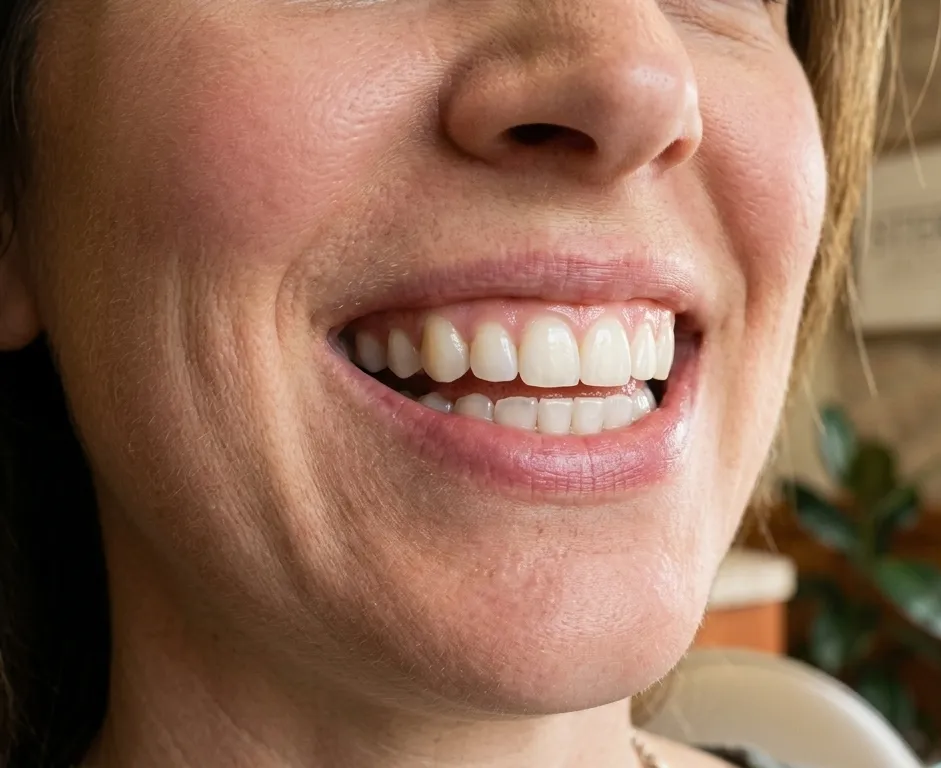
Healthy gums are typically firm, comfortable, and fit snugly around the teeth like a collar. They should not be sore during normal brushing and flossing. You shouldn’t be seeing blood in the sink as a regular thing. Healthy gums also don’t “pull away” quickly or feel tender when you chew on one side.
If your gums don’t feel like this consistently, that doesn’t mean you’ve done something wrong. It means it’s time to check what’s happening—because gum disease often develops even in people who brush daily.
The most common gum warning signs patients overlook
Gums rarely send just one signal. Most of the time, they send a pattern. If you’ve noticed any of the following more than once, it’s worth paying attention:
- Bleeding when brushing or flossing
This is one of the earliest signs of gum irritation. Many patients think they brushed too hard. Sometimes technique contributes, but frequent bleeding often means inflammation at the gumline.
- Red, puffy, or shiny gums
Healthy gums usually look firm. Inflamed gums can appear swollen, softer, or more sensitive, especially between teeth.
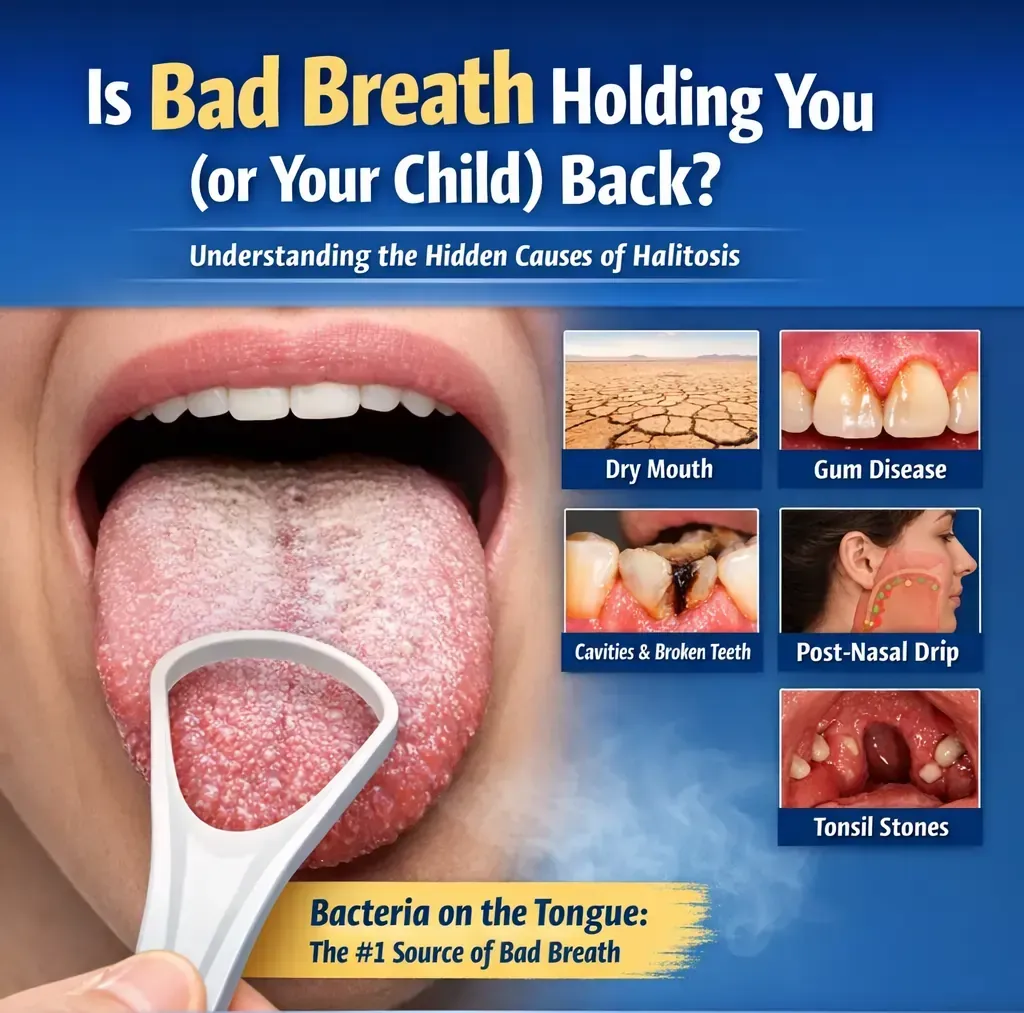
- Persistent bad breath or a bad taste that keeps returning
If brushing and mouthwash don’t solve it long-term, bacteria under the gumline may be contributing.
- Gums pulling back (recession) or teeth looking “longer”
Recession can expose the root surface, which may increase sensitivity and cavity risk near the gumline.
- Tenderness when chewing or pressure around one tooth
This can be a sign of localized inflammation, deeper buildup, or infection that needs evaluation.
- Food getting stuck more often or new spacing between teeth
Changes in gum support can subtly change how teeth fit together over time.
- A tooth feeling slightly loose or your bite feeling “off”
This can be an important sign that support structures should be checked.
Why gums bleed and why it matters
Bleeding gums aren’t just an inconvenience—they’re often a message. Bleeding is commonly linked to inflammation caused by plaque buildup along the gumline. Plaque is a sticky film of bacteria that forms daily. Even with good brushing, plaque can settle in areas that are easy to miss: between teeth, along the gumline, and around crowns or older dental work. If plaque isn’t removed thoroughly and consistently, gums respond with irritation and inflammation. That’s when bleeding often begins.
A common mistake is to stop flossing because it bleeds. Unfortunately, that often allows more plaque to remain, which can worsen inflammation. The better approach is to keep gentle flossing consistent and schedule an evaluation so the underlying cause can be addressed professionally.
Gingivitis vs. periodontal disease: what’s the difference?
One reason gum issues are so important is that they can change stages over time.
Gingivitis is the early stage. It typically involves redness, puffiness, and bleeding. The encouraging part is that gingivitis is often manageable and can improve significantly with professional cleanings and improved daily care.
Periodontal disease (periodontitis) is a deeper stage. It occurs when inflammation affects the supporting tissues and bone around the teeth. At this stage, gums can begin to pull away from teeth and form deeper spaces called pockets, where bacteria can collect below the gumline. This is harder to manage with home care alone, which is why periodontal treatment becomes so important.
Gum inflammation can change quickly—both in the wrong direction and in the right direction when addressed early. A controlled clinical study showed that when participants stopped oral hygiene for just 12 days, plaque and gum inflammation increased rapidly, and when professional cleaning was performed, those clinical signs improved again. This is why it’s so important to take early gum bleeding and irritation seriously and not wait for symptoms to worsen. (Source: NIH)
Who tends to be at higher risk for gum problems?
Gum disease isn’t about being “bad at brushing.” Many factors can increase risk, including:
- Smoking or vaping
- Diabetes or blood sugar issues
- Dry mouth (from medications or mouth-breathing)
- Hormonal changes
- High stress and clenching habits
- Genetics and family history
- Inconsistent professional cleanings
- Crowded teeth that are harder to clean between
Even if you brush twice a day, any of these can make gums more vulnerable. That’s why routine exams and cleanings matter—they catch changes that are hard to see on your own.
What a periodontal exam looks like at Kings Park Dental Center
A gum-focused exam is straightforward and designed to give you clarity. We evaluate your gums by looking for signs of inflammation, recession, plaque and tartar buildup, and areas that may be harder to keep clean. In many cases, we also measure gum pocket depths around the teeth to understand how the gums are attaching and whether deeper buildup may be present beneath the gumline.
Based on what we find, we explain the current health of your gums and outline the most appropriate next step—whether that’s a routine cleaning, more targeted home-care guidance, or periodontal treatment to help stabilize the gums and protect the foundation of your smile.
When a regular cleaning isn’t enough
A routine cleaning is perfect for keeping gums healthy when plaque and tartar are mostly above the gumline. But if inflammation has been present for a while, buildup can settle below the gumline—where brushing, flossing, and a standard cleaning can’t fully reach. That’s when your dentist may recommend a deeper periodontal cleaning (often called scaling and root planing) to clean those deeper areas and help the gums return to a healthier, tighter seal around the teeth.
This type of care is commonly recommended when we see signs such as:
- Bleeding that keeps coming back, even with regular brushing
- Persistent gum swelling or tenderness
- Gum pockets that are deeper than healthy ranges
- Tartar buildup along or below the gumline
- Early gum recession or irritation between teeth
A deep cleaning focuses on removing plaque and tartar from below the gumline and smoothing the root surfaces so the gums can heal more effectively. For many patients, the goal is simple: reduce inflammation, stabilize gum health, and protect the long-term support around the teeth.
If you want to see how this is approached at our office, you can view our Gum Disease Treatment options.
Clinical evidence also supports this approach. Research has shown that scaling and root planing can produce measurable improvements such as reduced pocket depth and improved gum attachment over time—key outcomes when inflammation has moved below the gumline. (Source: NIH)
What you can do at home to support healthier gums
Professional care is powerful, but daily habits make the biggest difference over time. If you want to support healthier gums starting today:
- Brush gently along the gumline for a full two minutes
- Floss daily, especially where bleeding happens (gently and consistently)
- Consider an electric toothbrush if you struggle with plaque buildup
- Use a dentist-recommended mouth rinse if inflammation is present
- Stay hydrated if you deal with dry mouth
- Don’t ignore recurring bleeding, tenderness, or bad breath—those are patterns, not flukes
These steps don’t replace professional care when deeper buildup is present, but they can dramatically improve gum health when paired with the right clinical treatment plan.
When it’s time to schedule a periodontal evaluation
If any of these apply to you, it’s worth scheduling a gum evaluation sooner rather than later:
- Bleeding is happening regularly
- Your gums look swollen or feel tender
- You notice recession or sensitivity near the gumline
- Bad breath keeps returning
- You’ve been told you may need a deep cleaning
- You haven’t had a cleaning in 6+ months and notice gum changes
Gum disease is easier to manage early, and a simple periodontal evaluation can give you a clear plan—whether that plan is a routine cleaning, targeted home-care adjustments, or deeper periodontal treatment.
Your gums don’t usually “scream.” They whisper. And those whispers are worth listening to—because healthy gums are the foundation of a healthy smile.
Contact Us Today:
703-323-3910
Visit Our Website:
https://www.burkefamilydentistry.com/
Clinical Excellence. Comfortable Care. Confident Smiles.
— The Kings Park Dental Center Team