What Counts As A Dental Emergency — And What To Do In Burke VA
Most people have experienced that moment of uncertainty — a tooth suddenly aches in a way it never has before, something feels loose after a fall, or a filling disappears at the worst possible time. And the first question is almost always the same: does this actually need immediate attention, or can it wait until Monday?
That question matters more than most people realize. Some dental situations that feel manageable in the moment are silently progressing into something that will require significantly more treatment if left alone for even a day or two. Others that feel alarming are genuinely stable enough to wait for a scheduled appointment. Knowing the difference protects both your teeth and your peace of mind.
AtKings Park Dental Center, we treat dental emergencies for patients across Burke, Springfield, Fairfax, Annandale, Centreville, and Fairfax County — and the most consistent thing we hear from patients is that they waited longer than they should have because they were not sure their situation qualified. This blog is here to change that.
What actually qualifies as a dental emergency
A dental emergency is any situation in which delaying care by more than a few hours is likely to result in greater pain, permanent damage, spreading infection, or tooth loss. That definition is broader than most people expect — and it deliberately excludes situations where waiting a day or two carries no meaningful risk.
If you are experiencing any of the following, you are dealing with a dental emergency and should contact a dental office immediately:
- A knocked-out permanent tooth This is the most time-critical dental emergency that exists. According to guidelines published by the International Association of Dental Traumatology, replantation within five minutes of the tooth being knocked out gives the best chance of long-term survival — and the window for successful reimplantation closes significantly after thirty minutes. (NIH) Every minute counts.
- A dental abscess or signs of infection Swelling in the gum, jaw, or face — especially if it is spreading, accompanied by fever, or making it difficult to swallow or breathe — is a dental emergency that can become a medical emergency. Dental infections do not resolve on their own. They spread through soft tissue and bone, and in severe cases can become life-threatening. This is not a situation to manage with painkillers and hope.
- Severe, unrelenting toothache Pain that is intense, persistent, and not responding to over-the-counter medication — especially pain that wakes you from sleep or radiates to the jaw, ear, or neck — indicates a problem inside the tooth or at its root that requires professional evaluation urgently.
- A cracked or fractured tooth with pain Not all cracks are emergencies. But a crack accompanied by sharp pain when biting, sensitivity to temperature that lingers, or visible fracture extending toward the gumline needs to be evaluated immediately. A split that reaches the root may not be salvageable if treatment is delayed.
- A loose permanent tooth in an adult Adult teeth should not move. A tooth that has become mobile following trauma, or that has shifted noticeably without an obvious cause, signals either significant bone loss or structural damage that needs to be assessed the same day.
- Soft tissue injuries that will not stop bleeding Lacerations to the tongue, cheeks, or gums that bleed persistently after gentle pressure for fifteen to twenty minutes need professional attention. Deep soft tissue injuries in the mouth can involve structures that are not visible and may require suturing.
- A lost crown or broken restoration causing sharp pain A crown or filling that falls out is not always an emergency — but if the exposed tooth is acutely sensitive, structurally compromised, or if there are sharp edges causing soft tissue injury, prompt care prevents further damage.
The situations that feel urgent but can usually wait
Not every dental surprise requires a same-day visit, and part of making good decisions under stress is knowing which situations are stable enough to wait for the next available appointment.
- A lost filling or crown with no pain or sharp edges can typically wait a few days. Keep the area clean, avoid chewing on that side, and use temporary dental cement from a pharmacy if needed for comfort.
- A chipped tooth with no pain is generally stable. Avoid hard foods on that side and schedule an appointment within a few days to have it smoothed or bonded.
- Mild toothache that comes and goes may indicate early decay or sensitivity. It warrants attention at your next available appointment but is not typically an emergency unless it intensifies or is accompanied by swelling.
- A broken wire or bracket on orthodontic treatment is uncomfortable but not a dental emergency. Contact your provider during regular hours and cover any sharp edges with orthodontic wax in the meantime.
Understanding this distinction helps you act quickly when it matters most and avoid unnecessary panic when the situation is genuinely stable.
What to do in the first moments of a dental emergency
How you manage the first minutes of a dental emergency can directly affect the outcome. Here is what to do for the most common situations before you reach the dental office.
If a permanent tooth is knocked out: Handle the tooth by the crown only — never by the root. If it is dirty, rinse it gently with milk or saline, not tap water, and do not scrub or dry it. If possible, place it back into the socket immediately and hold it in place by gently biting down on a clean cloth. If replantation is not possible, store the tooth in milk, saliva, or a saline solution — never in tap water — and get to a dental office within thirty minutes. Time is the most critical factor in whether the tooth can be saved.
If you suspect a dental abscess: Do not apply heat to the area. A warm saltwater rinse can provide temporary comfort, but heat can accelerate the spread of infection. Take whatever pain relief medication you have available and contact a dental office immediately. If swelling is spreading rapidly toward your throat or eye, or if you are having difficulty breathing or swallowing, go directly to an emergency room.
If a tooth is cracked or broken: Rinse your mouth gently with warm water to clean the area. If there is bleeding, apply gentle pressure with clean gauze. Avoid biting on the affected tooth entirely and contact your dentist. Do not attempt to file down a sharp edge yourself.
If a crown or filling has come out: Save the restoration if you can find it. Clean the tooth gently and check for sharp edges. Temporary dental cement, available at most pharmacies, can be used to reattach a crown temporarily or cover an exposed tooth until you can be seen. Do not use household adhesives.
For any soft tissue injury: Rinse gently with clean water and apply firm, gentle pressure with gauze or a clean cloth. If bleeding does not slow meaningfully within fifteen minutes of consistent pressure, seek professional care.
Why fast treatment changes outcomes
The reason dental emergencies demand urgency is not just about pain. It is about the biological window in which certain outcomes are still possible.
An infection that is caught early can often be treated with root canal therapy and antibiotics, saving the tooth and eliminating the infection before it spreads. That same infection, left for several more days, may require extraction, bone treatment, and more complex intervention — or may spread to adjacent structures in ways that become genuinely dangerous.
A cracked tooth evaluated the same day it fractures may be restorable with a crown. The same tooth, loaded with biting forces for another week, may fracture below the gumline and become unrestorable. A knocked-out tooth reimplanted within five minutes has a strong prognosis. That same tooth stored in a pocket for an hour has dramatically lower odds of survival.
The difference between these outcomes is not the severity of the original injury. It is the speed of the response. This is the most important thing to understand about dental emergencies — waiting does not preserve options. In most cases, it eliminates them.
What to expect when you call about a dental emergency
Calling a dental office in a moment of pain or panic can feel overwhelming, particularly if you are not sure whether your situation warrants the call. Here is what to communicate when you contact us:
- What happened and when
- Whether you are in pain, and how severe it is on a scale of one to ten
- Whether there is any visible swelling, especially of the face or jaw
- Whether you have fever, difficulty swallowing, or any spreading symptoms
- Your name and whether you are an existing patient
This information allows us to assess the urgency of your situation accurately and prepare appropriately before you arrive. Do not minimize symptoms when describing what is happening — the more clearly you communicate what you are experiencing, the better we can prioritize your care.
How to reduce your risk of dental emergencies
Not every dental emergency is preventable, but a meaningful number of them are. The patients most likely to experience sudden fractures, unexpected abscesses, and failing restorations are those who have been inconsistent with preventive care — not because they are careless, but because small problems were never caught and treated before they became larger ones.
- Attend regular hygiene visits every six months Early decay, hairline cracks, and developing infections are detectable at routine visits long before they become acute emergencies. The examination component of a hygiene visit is specifically designed to find these things while treatment is still simple.
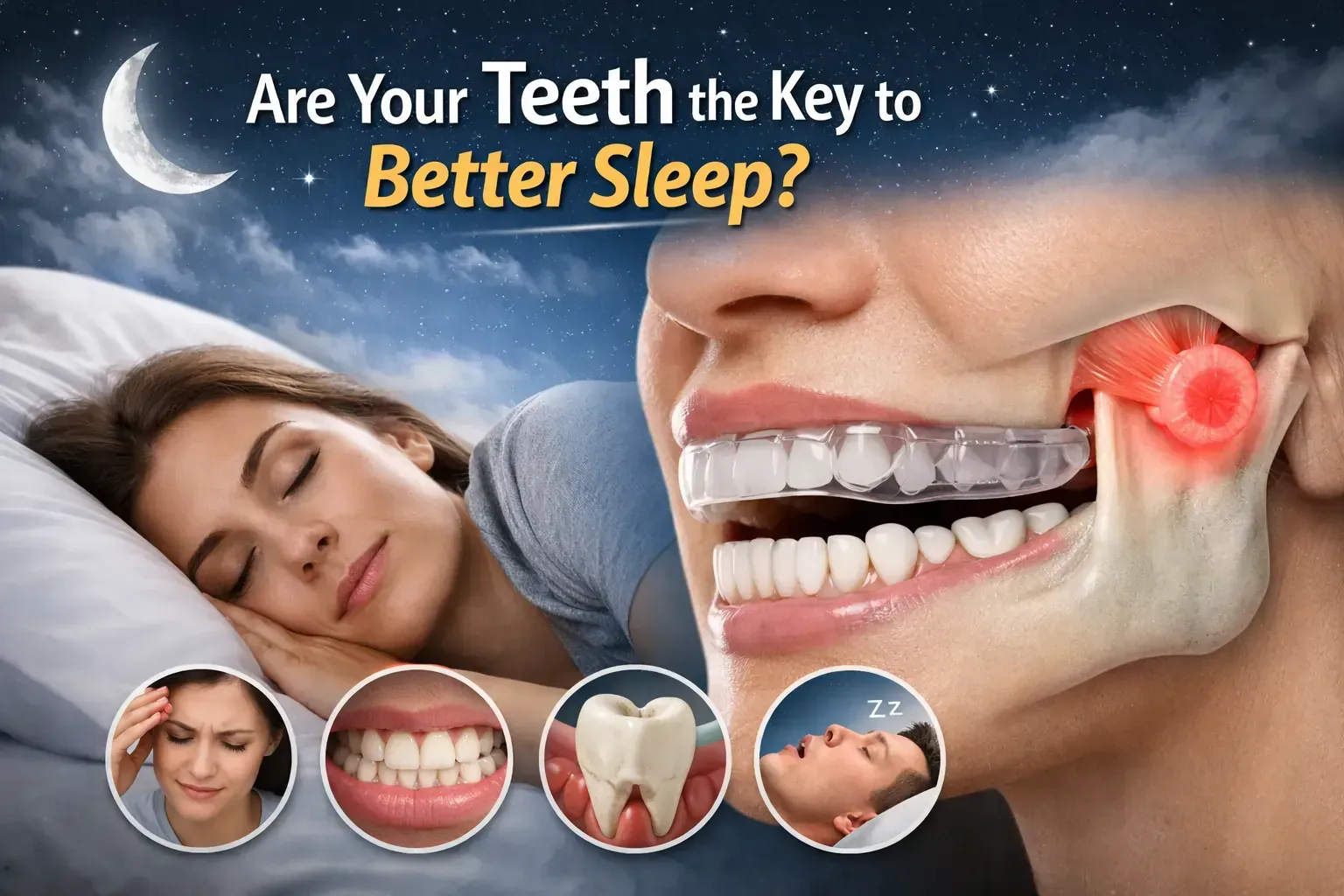
- Wear a night guard if you grind your teeth Bruxism — grinding and clenching during sleep — is one of the most consistent contributors to cracked teeth, fracture of existing restorations, and accelerated wear. A custom night guard absorbs those forces before they reach your teeth.
- Wear a mouthguard during contact sports A custom-fitted mouthguard is the most effective single intervention for preventing traumatic tooth injuries during athletic activity. It is a fraction of the cost of treating the injury it prevents.
- Address known dental problems before they escalate A tooth that has been sensitive for months, a filling that has felt loose, a crown that has started to rock — these are not situations to monitor indefinitely. They are early warnings that benefit from timely attention.
- Do not use your teeth as tools Opening packages, bottles, or other items with your teeth is one of the most common causes of unexpected fracture in otherwise healthy teeth. It takes one moment and can cost considerably more to repair.
The single most powerful thing you can do to avoid dental emergencies is maintain a consistent relationship with a dental practice that knows your history, monitors your risks, and catches small problems while they are still small.
When to go to the emergency room instead
Most dental emergencies are best treated by a dental professional, not an emergency room physician. Emergency rooms are not equipped to perform dental procedures, and in most cases they can only provide antibiotics and pain relief while directing you to follow up with a dentist.
However, there are specific situations where the emergency room is the right first call:
- Swelling that is spreading rapidly toward the eye, neck, or throat
- Difficulty breathing or swallowing related to dental swelling
- Jaw fracture or significant facial trauma following an accident
- Uncontrolled bleeding from oral soft tissue injury
- Symptoms of systemic infection — high fever, confusion, rapid heart rate
In these situations, the concern has moved beyond dentistry into medical territory, and emergency medical care is the appropriate first response. Your dentist can follow up once the immediate medical situation is stabilized.
What to do right now
If you are reading this because something is happening with your teeth right now — do not wait to find out whether it is serious enough to call about. Call and describe what you are experiencing. That conversation takes less than two minutes and gives you clarity immediately.
If you are reading this as general preparation, the most useful thing you can do today is:
- Save your dental office number in your phone as an emergency contact
- Know your after-hours options before you need them
- Schedule any overdue hygiene visits before small problems become urgent ones
- Ask about a night guard if grinding has ever been mentioned by a dentist
At Kings Park Dental Center, we provide emergency dental care for patients across Burke, Springfield, Fairfax, Annandale, Centreville, and Fairfax County. When something goes wrong with your teeth, you deserve to reach a team that can assess the situation, provide real answers, and deliver the care you need — without adding to the stress of an already difficult moment.
Dental emergencies are rarely convenient. Being prepared for them is.
Contact Us Today: 703-323-3910
Visit Our Website: https://www.burkefamilydentistry.com/
Fast Care. Expert Hands. Smiles Restored.
— The Kings Park Dental Center Team